

Blog
Allergic Reaction to Perfume: Symptoms, Causes, and What to Do

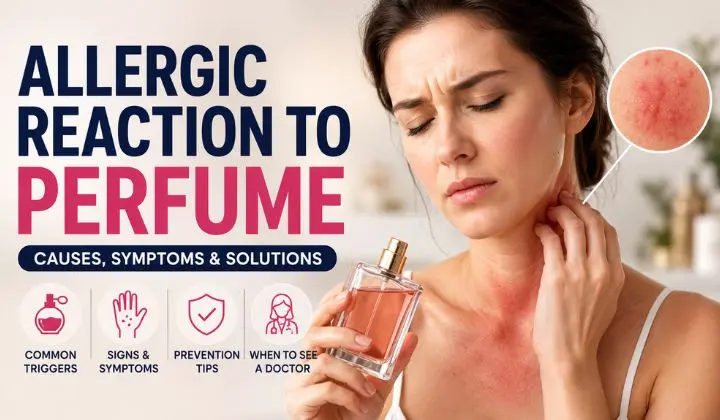
Perfume smells lovely to most people, but not everyone reacts to it the same way. Some people notice redness, itching, or a rash after wearing a new scent. Others feel fine on their skin but get a headache or a stuffy nose in a room full of fragrance. These reactions are more common than most people realize. This guide explains what’s actually happening and what you can do about it.
Not every bad reaction to perfume is a true allergy either. Some are simple irritations, while others involve the immune system more directly. Knowing the difference helps you understand your own symptoms better. This article covers causes, common triggers, and practical next steps. It also explains when a reaction is worth seeing a doctor about.
What Is an Allergic Perfume Reaction?
Research suggests fragrance allergy affects somewhere between 1% and 4.5% of adults, depending on the population studied. This is different from a one-off irritation, since true allergy requires previous exposure to develop. Once sensitized, the reaction, known as allergic contact dermatitis, tends to happen again with repeat exposure. It’s considered the second most common cause of allergic contact dermatitis, behind only nickel. An allergic perfume reaction happens when your immune system responds to a specific fragrance ingredient it has been sensitized to before.
Symptoms of this kind of allergy typically appear with a delay, often a day or so after contact, rather than immediately. This delay is one of the clues dermatologists use to tell allergy apart from simple irritation. Fragrance isn’t limited to perfume either, since it’s also found in lotions, detergents, and many personal care products. That makes pinpointing the exact trigger a bit more involved than it might first seem. A dermatologist can help identify the specific cause through patch testing if needed.
Allergic Reaction to Perfume: Allergy vs Irritation
An allergic reaction to perfume and a simple irritant reaction can look similar but work quite differently. Irritant reactions happen quickly, often within minutes to hours of contact, and don’t require prior sensitization. True allergic reactions involve the immune system and typically show up about a day later. According to European Commission health guidance, most complaints described as a general “skin rash” from fragrance are actually irritation rather than true allergy. This distinction matters because it affects how the reaction is diagnosed and managed going forward.
Both types can cause similar-looking symptoms, including redness, swelling, and discomfort on the skin. The main practical difference is timing and whether the reaction happens with every exposure or only sometimes. A dermatologist or allergist can use patch testing to determine which type you’re dealing with. This is worth pursuing if reactions happen repeatedly with different fragranced products. Understanding the type of reaction also helps guide what to avoid going forward.
Common Causes of an Allergic Reaction Perfume Can Trigger
An allergic reaction perfume triggers usually comes down to one or more specific fragrance chemicals rather than fragrance in general. More than 2,500 fragrance ingredients are used across perfumes and scented consumer products. Certain ingredients are far more likely to cause a reaction than others. Linalool and limonene, when oxidized through air exposure, are among the most frequently identified triggers in clinical studies. Oakmoss absolute, isoeugenol, cinnamyl alcohol, and cinnamal are also commonly cited culprits.
This is why regulators require certain fragrance allergens to be listed clearly on product labels in the EU and UK. Checking ingredient lists can help you avoid a known trigger once you’ve identified one. It’s worth noting that natural doesn’t automatically mean safer, since several common allergens are naturally derived. Synthetic ingredients aren’t inherently worse either, since reactions depend on the specific chemical, not its origin. Working with a dermatologist to identify your specific trigger is the most reliable approach.
Allergic Reaction to Perfume on Skin: What to Look For
An allergic reaction to perfume on skin tends to follow a fairly recognizable pattern once you know what to look for. It usually appears where the fragrance makes direct contact, though it can spread with continued exposure.
- Redness and scaly, patchy skin, often described as a rash
- Swelling in the affected area
- Small blisters or vesicles that may crust or ooze
- Persistent itching, sometimes even without visible irritation
- Dry, cracked, or unusually sensitive skin in the exposed area
These symptoms can take a day or more to appear after contact, which sometimes makes the cause harder to pinpoint. If a reaction keeps happening with different products, it may point to a shared fragrance ingredient rather than one specific perfume. Cool compresses and a bland, fragrance-free moisturizer can help with mild itching while it resolves.
Allergic Perfume Triggers: Common Ingredients to Know
Allergic perfume triggers vary from person to person, but a handful of ingredients account for most confirmed cases in clinical studies. Fragrance mix I and Myroxylon pereirae, commonly known as balsam of Peru, are two of the most frequently detected allergens in patch testing. These are often included in standard allergy testing panels for exactly this reason. Knowing your specific trigger, rather than avoiding fragrance broadly, gives you far more flexibility in what you can still wear. This is one of the main benefits of getting properly tested.
Reading ingredient labels becomes much easier once you know what to look for. Many brands now list fragrance allergens separately from the general “fragrance” or “parfum” listing on a label. This transparency helps people with a known sensitivity make more informed choices. It also helps explain why one perfume might cause a reaction while another, seemingly similar scent, doesn’t. Ingredient specificity matters far more than broad categories like “natural” or “synthetic.”
Am I Allergic to Perfume? Signs to Watch For
Wondering if you’re allergic to perfume usually starts with noticing a pattern rather than a single incident. A one-time reaction could be irritation, but repeated reactions to different fragranced products suggest something more specific. Reactions that consistently appear about a day after exposure are more likely to reflect true allergy. Reactions that happen immediately are more often irritation rather than an immune response. Keeping a simple note of what you wore and when symptoms appeared can help identify a pattern over time.
People with asthma, eczema, or other atopic conditions may be more prone to noticing fragrance sensitivity, though allergic contact dermatitis itself occurs at similar rates regardless of atopic history. If you suspect a specific product, discontinuing use is a reasonable first step. Persistent or recurring symptoms are worth discussing with a dermatologist or allergist. Formal testing gives a clearer answer than guessing based on symptoms alone. This is especially useful if you wear fragrance regularly and want to keep doing so safely.
Perfume Allergic Reaction Symptoms You Shouldn’t Ignore
Perfume allergic reaction symptoms usually stay mild, but it helps to know the full range, including less common ones. Alongside skin symptoms, some people experience reactions connected to breathing in fragrance rather than skin contact.
- Sneezing, a runny or stuffy nose, or postnasal drip near fragrance exposure
- Persistent cough or throat irritation in fragranced environments
- Headaches, particularly in people prone to migraines
- Eye irritation or redness, sometimes described as allergic conjunctivitis
- In rare cases, more serious reactions such as swelling of the face or throat, or difficulty breathing
That last point deserves particular attention. Swelling of the face, lips, or throat, or any difficulty breathing after fragrance exposure, is a medical emergency and needs immediate attention rather than home management. These severe reactions are rare, but they’re important to recognize quickly if they occur. Most fragrance reactions are far milder and manageable with simple avoidance and skin care.
What to Do About an Allergic Reaction to Perfume
If you’re dealing with an allergic reaction to perfume, the first step is usually straightforward: stop using the product. Continued exposure tends to prolong symptoms and can make skin more reactive over time. Gently washing the area with mild, fragrance-free soap can help remove any remaining residue. Avoid scratching, since this can worsen inflammation and increase the risk of skin infection. Cool compresses and a bland, unscented moisturizer are reasonable first steps for mild discomfort.
For anything beyond mild, short-lived symptoms, seeing a dermatologist is the more reliable path forward. Patch testing can identify the exact allergen involved, which makes future shopping far easier. This is particularly worthwhile if reactions keep happening across different products. Once you know your specific trigger, checking ingredient labels becomes a quick, reliable habit. This approach tends to work better long term than avoiding fragrance altogether out of general caution.
Choosing Fragrance-Conscious Products at Deperfumeshop
De Perfume Shop lists detailed ingredients and note information on product pages, which is genuinely useful if you’re managing a known sensitivity. This makes it easier to check for a specific allergen before purchasing, rather than guessing from a general description. Sample sizes are also a practical way to test a small amount before committing to a full bottle. This lowers the risk and cost of a reaction to a new fragrance. Testing on a small area of skin first is a sensible habit regardless of your allergy history.
De Perfume Shop’s customer support team can also help answer specific questions about a product’s fragrance composition where information is available. This kind of transparency makes shopping easier for anyone managing a known allergic perfume trigger. Comparing detailed listings across a few options helps you make a more confident choice. Taking a cautious, informed approach doesn’t mean giving up on fragrance altogether. It simply means shopping a little more carefully.
Conclusion
An allergic reaction to perfume can range from mild skin irritation to, rarely, a more serious response requiring urgent care. Understanding the difference between allergy and irritation, knowing common triggers, and recognizing symptoms early all help you manage it more confidently. Most reactions are manageable with simple steps like discontinuing use and gentle skin care. Persistent or repeated reactions are worth discussing with a dermatologist for proper testing.
Deperfumeshop’s detailed product listings and sample options make it easier to shop carefully if you’re managing a known sensitivity. A little caution goes a long way toward enjoying fragrance without unnecessary discomfort. If you ever experience swelling or difficulty breathing after fragrance exposure, treat it as an emergency and seek medical help right away. For everyday sensitivity, informed shopping and simple precautions are usually enough.
Frequently Asked Questions
What’s the difference between a perfume allergy and perfume irritation?
Irritation happens quickly and doesn’t require prior exposure. True allergy involves the immune system and typically appears about a day after contact.
What are the most common symptoms of an allergic reaction to perfume?
Redness, itching, swelling, and a scaly rash on the skin are most common. Some people also experience sneezing, congestion, or headaches from inhaling fragrance.
When should I see a doctor about a perfume allergy?
See a dermatologist if reactions are persistent or recurring. Seek immediate medical care for facial swelling or any difficulty breathing.