



Blog
Fresh vs Woody Perfumes: Which Fragrance Suits Your Daily Routine?

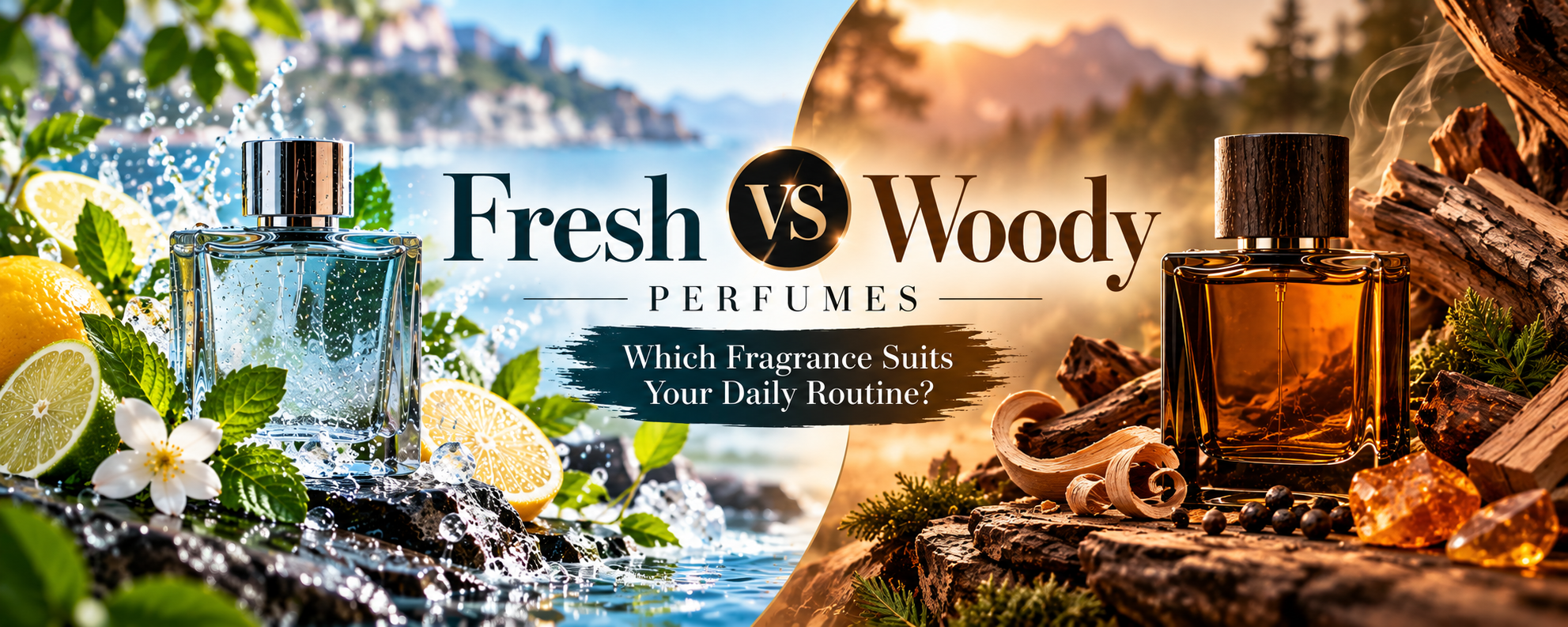
Choosing an everyday perfume can be difficult when you enjoy a clean, refreshing scent but also like warm, woody fragrances. A citrus perfume may feel bright and lively during a morning commute, while a sandalwood or cedarwood fragrance may offer a smoother, deeper character. The right choice depends on your personal taste, daily activities, the weather and how noticeable you want your fragrance to be.
Fresh and woody perfumes are not limited to particular seasons or occasions. Some fresh fragrances have a lasting woody base, while certain woody perfumes feel light enough for daytime wear. Understanding fragrance notes, concentration, longevity and projection can help you choose a scent that works for your routine rather than relying on popular recommendations alone.
Fresh vs Woody Perfumes is a useful comparison when you want to understand which fragrance family suits your lifestyle. From citrus and aquatic scents to cedarwood, vetiver and sandalwood, each style offers a different experience. This guide explains their key differences, explores recognisable perfume examples and shows you how to choose, test and wear a fragrance with confidence.
What Are Fresh Perfumes?
Fresh perfumes usually have a bright, clean, green or refreshing character. They often feature citrus fruits, aromatic herbs, aquatic accords and green notes. Depending on the blend, they can smell sharp and zesty, cool and airy, or soft and slightly soapy.
Fresh fragrances are popular for everyday wear because many feel comfortable in offices, during travel and at casual daytime events. However, fresh does not automatically mean weak or short-lasting. The ingredients, fragrance concentration and overall composition all influence how a perfume performs.
Common Notes Found in Fresh Perfumes
Understanding the notes can help you identify which type of freshness you enjoy.
- Bergamot: A bright citrus note with a slightly bitter, aromatic quality.
- Lemon: Sharp, zesty and clean, often creating a lively opening.
- Grapefruit: Citrus-like with a tangy, slightly bitter edge.
- Mint: Cool, green and refreshing.
- Lavender: Aromatic and herbal, sometimes with a clean, soft quality.
- Aquatic accords: Designed to suggest cool water, sea air or an airy freshness.
- Green tea: Gentle, green and sometimes subtly earthy.
- Neroli: A citrus-floral note with a fresh, slightly delicate character.
A perfume may combine several of these notes to create a more complex scent. Bergamot and lavender, for example, can produce an aromatic freshness, while citrus and aquatic accords may give a fragrance a cleaner, breezier feel.
Examples of Fresh Perfumes
Recognising established perfumes can help you understand how different fresh scent styles smell in practice.
- Giorgio Armani Acqua di Giò Eau de Toilette
This fragrance is associated with a fresh, aquatic and citrus character. It is a useful reference if you enjoy marine-inspired scents with an airy, clean impression.
- Dior Homme Cologne
Dior Homme Cologne is known for its bright citrus character, particularly its fresh, lemon-like impression. It is worth exploring if you prefer a simple, crisp fragrance style rather than a dense, sweet scent.
- Dolce & Gabbana Light Blue Eau de Toilette
Light Blue is another recognisable example of a fresh citrus-led fragrance. Its lively character makes it useful to consider when exploring perfumes with a bright, summery feel.
These examples illustrate different approaches to freshness. Always test the specific fragrance on your skin, as your experience will depend on the formula, application and individual perception.
What Are Woody Perfumes?
Woody perfumes are built around notes that smell earthy, dry, creamy, warm or resinous. Common materials and accords include cedarwood, sandalwood, vetiver, patchouli and oud. Some fragrances feel smooth and understated, while others have a darker, smokier or richer character.
A woody perfume does not have to be heavy. Cedarwood can smell dry and clean, vetiver may bring earthy or grassy qualities, and sandalwood often creates a creamy impression. Oud can be deeper and more intense, depending on how the perfumer uses it.
Woody fragrances also frequently combine with citrus, spices, aromatic herbs, musk or amber accords. These combinations can balance the woodiness and make a fragrance suitable for more than evening wear.
Common Notes Found in Woody Perfumes
- Cedarwood: Dry, clean and slightly pencil-like.
- Sandalwood: Smooth, creamy and warm.
- Vetiver: Earthy, grassy and sometimes smoky.
- Patchouli: Earthy, deep and sometimes slightly sweet.
- Oud: Rich, complex and potentially smoky or resinous.
- Oakmoss accords: Earthy and green, often adding depth.
- Amber accords: Warm and rounded, often used to support woody notes.
The final smell depends on how these notes work together. A cedarwood fragrance with bergamot may feel crisp and modern, while a blend of oud, amber and spices may feel much richer.
Examples of Woody Perfumes
These well-known fragrances illustrate different styles within the woody family.
- Tom Ford Oud Wood Eau de Parfum
Tom Ford Oud Wood is a recognisable example of a polished, warm woody fragrance. It is worth exploring if you enjoy woody notes with a smooth, rich character rather than a sharp citrus opening.
- Le Labo Santal 33 Eau de Parfum
Santal 33 is known for its distinctive sandalwood-led, woody character, alongside other dry and aromatic elements. It can help you understand how a woody fragrance can feel modern and textured rather than simply dark or smoky.
- Terre d’Hermès Eau de Toilette
Terre d’Hermès combines citrus with earthy and woody elements. It is particularly useful as an example of a fragrance that bridges fresh and woody styles instead of sitting entirely at one end of the spectrum.
These perfumes are examples, not universal recommendations. Their price, availability and performance can vary by retailer and product version, so check the exact fragrance before purchasing.
Fresh vs Woody Fragrances: What Is the Difference?
The main difference between fresh and woody fragrances is their overall scent character. Fresh perfumes often highlight citrus, aquatic, green or aromatic notes, whereas woody perfumes focus more on earthy, dry, creamy or warm accords.
| Feature | Fresh perfumes | Woody perfumes |
| Main scent character | Bright, clean and refreshing | Earthy, dry, smooth or warm |
| Common notes | Bergamot, lemon, mint, aquatic accords | Cedarwood, sandalwood, vetiver, oud |
| Everyday use | Often suitable for casual and daytime settings | Suitable for both daytime and evening, depending on the blend |
| Warm weather | Citrus and aquatic styles can feel refreshing | Lighter woody blends can also work well |
| Cooler weather | Can still be worn throughout the year | Richer woody compositions may appeal in cooler conditions |
| Longevity | Depends on the specific formula | Depends on the specific formula |
| Projection | Can be subtle or strong | Can be subtle or strong |
| Example perfumes | Acqua di Giò, Dior Homme Cologne | Tom Ford Oud Wood, Le Labo Santal 33 |
One important distinction is that the scent family does not determine performance on its own. A fresh fragrance may remain noticeable for hours, while a woody perfume may sit close to the skin. Concentration, ingredients, application and skin chemistry all play a role.
Fresh Perfumes for Everyday Wear
Fresh perfumes for everyday wear can be a practical option if you prefer clean, bright scents that fit different daytime activities. The best choice depends on where you go, how close you sit to other people and which notes you enjoy.
For Office and Work
Citrus, green and soft aromatic fragrances can be comfortable choices in shared workplaces. Look for a balanced composition rather than assuming that every fresh perfume will have low projection. Apply a modest amount, particularly if you work in a small office or attend meetings throughout the day.
For Commuting and Outdoor Activities
A bright citrus or aquatic scent may appeal if you want a refreshing character during your commute or while spending time outdoors. Heat can change how noticeable a fragrance feels, so test it in conditions similar to those in which you plan to wear it.
For Casual Daytime Plans
Fresh fragrances can suit shopping, university, lunch with friends and everyday errands. A scent with bergamot, lavender or green notes may provide the character you want without requiring a particularly rich or intense composition.
Before choosing, pay attention to the dry-down. This is how the fragrance smells after its opening notes have settled. Some fresh perfumes develop a musky or woody base, giving them a different character later in the day.
Woody Perfumes for Daily Use
Woody perfumes for daily use can work well if you enjoy earthy, smooth or warm scents. The key is to select a composition that suits your surroundings rather than assuming that every woody perfume is designed for evenings.
For Professional Settings
A subtle cedarwood or vetiver fragrance may suit an office, especially when balanced with citrus or aromatic notes. If you spend long periods near colleagues, choose a fragrance that feels comfortable at close range.
For Autumn and Winter
Richer woody compositions with sandalwood, oud or amber accords may appeal during cooler months. Their warm character can suit evening meals, social gatherings and other occasions when you want a deeper scent.
For Everyday Versatility
You do not need to reserve every woody fragrance for special events. A balanced composition can work for daytime activities, too. Terre d’Hermès, for example, illustrates how citrus and woody elements can coexist in one fragrance.
Test the perfume before committing to a full bottle. A scent that seems subtle at first may become more noticeable after it develops, and the right amount can vary from one fragrance to another.
Fresh or Woody Perfume: Which Is Better for Your Daily Routine?
If you are asking for fresh or woody perfume which is better, the answer depends on your preferences and circumstances. Fresh fragrances may suit you if you enjoy bright citrus, green or aquatic notes. Woody perfumes may appeal more if you prefer earthy, creamy, dry or warm scents.
Use your daily routine as a guide:
- Office work: Consider a balanced fresh fragrance or a subtle woody scent with moderate projection.
- Warm weather: Explore citrus, aquatic or light woody compositions, and start with a small amount.
- Long working days: Check how long the perfume remains noticeable on your skin before deciding whether you need to reapply it.
- Evening plans: A deeper woody fragrance may suit your taste, although a fresh scent can work just as well.
- One versatile perfume: Explore fresh woody fragrances that combine a bright opening with an earthy or smooth base.
If you are new to perfume, try one fresh fragrance and one woody fragrance on separate days. Compare their opening notes, dry-down, longevity and how comfortable they feel in your usual environment. This approach is more useful than selecting a perfume based only on its popularity or description.
What Is a Fresh Woody Perfume?
A fresh woody perfume combines elements from both scent families. It may open with citrus, herbs or aquatic notes before developing into a cedarwood, vetiver, sandalwood or musk-based finish.
This style can be useful if you enjoy freshness but do not want a fragrance that smells purely citrus-led. The woody base can add depth, while the fresh opening keeps the overall composition bright.
Terre d’Hermès is one example of a fragrance that brings citrus and woody elements together. Other perfumes combine bergamot with cedarwood or aromatic herbs with vetiver. The balance varies, so read the listed notes and test the fragrance rather than relying only on the term “fresh woody”.
This combination can be suitable for daytime wear, work or casual evenings, depending on the formula and how strongly it projects. It can also be a sensible starting point if you enjoy both fresh and woody scents but are unsure which style to choose.
How Do Fragrance Notes Develop on Your Skin?
Perfumes often change after application because their ingredients evaporate and become noticeable at different rates. Understanding this development helps you judge a fragrance more accurately.
Top Notes: The First Impression
Top notes are usually the first smells you notice after spraying a perfume. Citrus, light fruits and some fresh herbs commonly appear here. They help create the initial character, but they may change relatively quickly.
Heart Notes: The Main Character
Heart notes become more noticeable as the opening settles. They may include flowers, aromatic herbs, spices or other ingredients that give the perfume much of its character.
Base Notes: The Lasting Impression
Base notes support the fragrance as it develops. Woods, musk, amber accords and resins may contribute to this stage. Their presence does not guarantee that a perfume will last a particular number of hours, because the full formula affects performance.
When testing a perfume, do not judge it from the first spray alone. Notice how it smells after the opening has settled and whether you still enjoy the fragrance later in the day.
What Do Longevity and Projection Mean?
Longevity and projection describe two different aspects of perfume performance.
Longevity is how long a fragrance remains detectable. Projection is how far its scent travels from your body. A perfume can last for several hours while remaining close to your skin, or it can project strongly without staying equally noticeable for the whole day.
Several factors influence performance:
- Concentration: Different fragrance concentrations may affect performance, but the label alone cannot guarantee longevity.
- Ingredients: Some materials remain noticeable longer than others, but the complete composition matters.
- Skin condition: Dryness and individual skin chemistry can affect your experience of a fragrance.
- Application: The amount used and where you apply it can change how noticeable the scent feels.
- Environment: Heat, airflow and activity can affect how a perfume develops and is perceived.
Do not automatically choose a woody fragrance because you expect it to last longer. Compare the actual perfumes you are considering, and decide whether you prefer stronger projection or a scent that stays closer to the skin.
How to Make Your Everyday Perfume Last Longer
You can improve your fragrance routine with a few simple habits without applying excessive amounts.
- Moisturise your skin: An unscented moisturiser can help reduce dryness before you apply perfume.
- Apply a sensible amount: Start with a small number of sprays and adjust according to the fragrance and setting.
- Avoid rubbing your wrists: Let the perfume settle naturally after application.
- Store the bottle properly: Keep it away from direct sunlight, excessive heat and frequent temperature changes.
- Give the fragrance time: Check its performance after a few hours rather than judging it immediately.
- Reapply only when needed: Follow the fragrance’s performance and the requirements of your surroundings.
You may also stop noticing a perfume because your nose has adapted to it. This is called olfactory adaptation. If you can no longer smell your fragrance, it does not necessarily mean that everyone else has stopped noticing it. Ask someone you trust for feedback before adding more sprays.
Common Mistakes When Choosing a Perfume
A perfume may smell excellent in a shop but feel unsuitable in your everyday routine. Avoid these common mistakes when comparing fresh and woody fragrances.
- Buying based only on the opening: The scent can change after the top notes settle.
- Assuming fresh perfumes never last: Performance varies between formulas and individual products.
- Assuming all woody scents are heavy: Some cedarwood and vetiver fragrances are dry, clean and relatively subtle.
- Ignoring projection: A fragrance that feels comfortable outdoors may be too noticeable in a small office.
- Choosing only by trends: A popular fragrance may not match your personal preferences.
- Testing too many perfumes at once: Competing scents can make comparisons difficult.
- Buying a full bottle too quickly: Try a sample or smaller size when available, particularly if the fragrance is expensive.
A careful comparison helps you find a perfume that you enjoy wearing, rather than one that looks appealing only on a product page.
Final Thoughts
Choosing between fresh and woody fragrances is easier when you understand what you want from your everyday perfume. Fresh scents often offer citrus, green or aquatic character, while woody fragrances bring earthy, creamy, dry or warm notes. A fresh woody composition can offer elements of both, making it worth exploring if you do not want to choose just one style.
Before buying, consider your daily environment, the weather, your preferred projection and how the fragrance develops over time. Test it on your skin, give it time to settle and compare its opening with its later stages. Remember that fragrance concentration and scent family do not guarantee a specific level of longevity.
DePerfume believes that informed fragrance choices begin with understanding your preferences and the qualities of each scent. Explore fragrance notes, compare suitable examples and test perfumes in real-life conditions before committing to a bottle. Whether you prefer a crisp citrus scent, a smooth woody fragrance or a blend of both, choose one that feels right for your routine and that you genuinely enjoy wearing.
Frequently Asked Questions
1. Which type of perfume is best for daily use?
Fresh perfumes and subtle woody fragrances can both work well for everyday wear. Choose a scent that suits your environment, personal taste and preferred level of projection.
2. Is a woody fragrance good for summer?
Yes, lighter woody fragrances with citrus or vetiver can suit warmer weather. Apply a modest amount and check how noticeable the scent becomes in the heat.
3. Is a woody smell attractive?
Many people enjoy woody scents because they can smell smooth, earthy, warm or clean. Attractiveness is subjective, so choose a fragrance that you enjoy and feel comfortable wearing.
4. What perfumes are good for wearing during the day?
Citrus, aquatic, green and subtle woody fragrances are all worth exploring for daytime use. Giorgio Armani Acqua di Giò and Dior Homme Cologne are recognisable examples of fresh fragrance styles.
5. Why does my perfume fade quickly even after applying several sprays?
Your nose may have adapted to the scent, or the fragrance may have limited longevity on your skin. Try moisturising first, storing the bottle correctly and checking its performance before reapplying.