

Blog
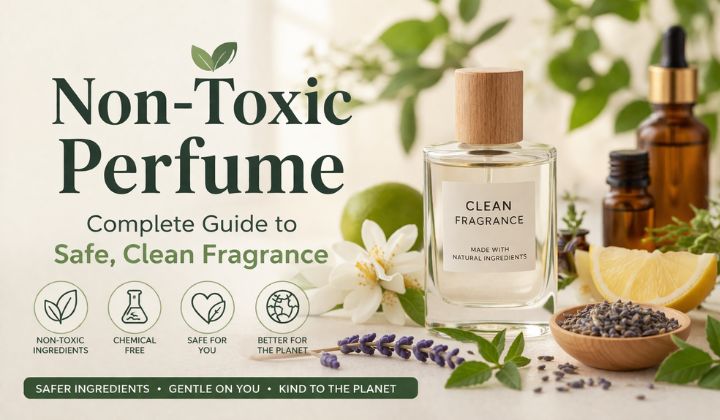
Non-Toxic Perfume: Complete Guide to Safe, Clean Fragrance

For a long time, I used perfume without thinking about what was actually inside it. Like many people, I chose scents based on how they smelled, not how they affected my skin or overall comfort. But over time, I started noticing problems: headaches after applying fragrance, mild skin irritation, and scents that felt too strong or artificial.
That experience made me look more closely at ingredient labels. I realized that many perfumes contain hidden chemicals under the term “fragrance,” and not all of them are clearly disclosed.
After switching to non-toxic perfume, the difference was noticeable. The scents felt lighter, more natural, and much more comfortable for everyday use.
If you’ve ever experienced similar issues, or simply want a safer, cleaner option, this guide will help you understand how to choose a fragrance that aligns with your health and lifestyle.
What Is Non-Toxic Perfume?
Non-toxic perfume is a fragrance made without potentially harmful chemicals such as phthalates, parabens, and undisclosed synthetic additives.
It typically uses:
- essential oils
- plant-based ingredients
- transparent formulations
A non-toxic perfume is designed to reduce exposure to ingredients that may cause irritation or long-term concerns. Instead of relying on complex synthetic blends, it focuses on simpler, safer components.
What is a Clean Perfume?
A clean perfume prioritizes:
- ingredient transparency
- responsible sourcing
- safer formulation standards
It reflects a growing preference for products that are both effective and aligned with a more conscious lifestyle.
Non-Toxic Perfume vs Regular Perfume
| Feature | Non-Toxic Perfume | Regular Perfume |
|---|---|---|
| Ingredients | Safer or naturally derived | Synthetic blends |
| Transparency | Clear labeling | Often limited |
| Skin impact | Generally gentle | May cause irritation |
| Longevity | Moderate | Longer-lasting |
Why People Are Switching to Non-Toxic Perfume
Many individuals are rethinking their fragrance choices due to:
- sensitivity to strong scents
- concerns about hidden ingredients
- preference for simpler formulations
- desire for products that fit a healthier routine
What Ingredients Should You Avoid?
Harmful Ingredients in Perfume
Some commonly avoided ingredients include:
- Phthalates – studied for potential hormone disruption
- Parabens – preservatives linked to irritation concerns
- Synthetic fragrance blends – may contain undisclosed chemicals
- Petrochemical-derived ingredients – associated with synthetic formulations
Why Fragrance on Labels Can Be Misleading
The word fragrance or parfum can represent a mix of many ingredients, not all of which are individually listed. This lack of transparency makes it difficult to fully understand what you are applying to your skin.
What to Look for in a Non-Toxic Perfume
Non-Toxic Perfume Checklist
| What to Check | Why It Matters |
|---|---|
| Phthalate-free | Helps avoid certain controversial chemicals |
| Paraben-free | Reduces risk of irritation |
| Transparent ingredients | No hidden additives |
| Essential oil-based | More natural scent profile |
| Certifications | Adds credibility and trust |
Ingredients You SHOULD Look For
- essential oils
- botanical extracts
- plant-based alcohol
- natural fixatives
Best Non-Toxic Perfume Brands
Some widely recognized non-toxic perfume brands include:
- Skylar
- Ellis Brooklyn
- By Rosie Jane
- De Perfume Shop
These brands focus on ingredient transparency, cleaner formulations, and modern fragrance profiles.
Natural vs Synthetic Perfume
| Feature | Natural | Synthetic |
|---|---|---|
| Source | Plant-based | Lab-created |
| Safety | Generally higher | Varies |
| Longevity | Moderate | Higher |
How Perfume Ingredients Affect Your Health
Skin Absorption
Some ingredients applied to the skin can be absorbed in small amounts, which is why formulation matters.
Hormone Considerations
Certain compounds are studied for their potential interaction with hormonal systems, especially with repeated exposure.
Allergies and Sensitivity
Fragrance is a common trigger for:
- headaches
- skin irritation
- sensitivity reactions
What Experts Say
Skincare professionals often suggest choosing products with simpler ingredient lists, especially for individuals with sensitive skin.
Who Should Use Non-Toxic Perfume?
This type of fragrance may be especially helpful for:
- people with sensitive skin
- those sensitive to strong scents
- individuals looking to reduce chemical exposure
- those following a clean beauty routine
Final Thoughts
Choosing a non-toxic perfume is not just about fragrance, it’s about making a more informed and thoughtful decision.
From personal experience, switching to cleaner formulations made a noticeable difference. The scents felt more balanced, less overwhelming, and more comfortable for daily use. While they may not always last as long, the overall experience feels more natural and aligned with a mindful lifestyle.
By paying attention to ingredients, prioritizing transparency, and choosing products that match your needs, you can find a fragrance that feels both enjoyable and responsible.
Frequently Asked Questions
Is non-toxic perfume better?
It is often considered a gentler and more transparent option compared to conventional fragrances.
Are natural perfumes long lasting?
They may not last as long as synthetic options but are often preferred for their lighter, more subtle scent.
What is the safest perfume?
Perfumes with simple, clearly listed ingredients and minimal additives are generally considered safer.