


Blog
Best Hypoallergenic Perfume: Safe Scents for Sensitive Skin

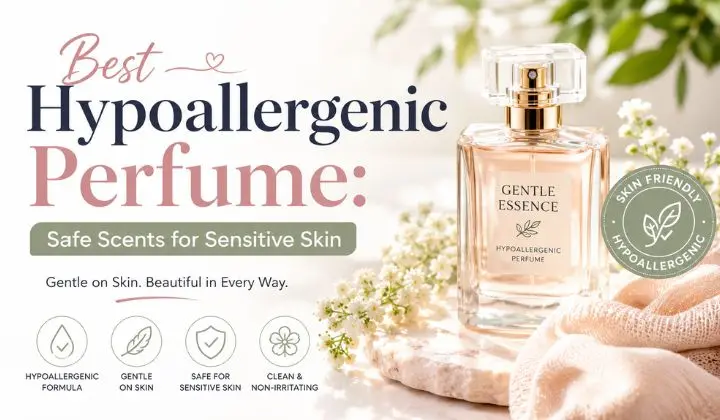
Sensitive skin can make finding the right scent feel like a bit of a gamble. Many popular perfumes contain ingredients that trigger redness, itching, or breakouts. That’s frustrating when all you wanted was to smell nice. This guide explains what actually makes a fragrance gentler on skin. It also covers how to shop smarter if you deal with sensitivities.
Not every label tells the full story either. Some terms sound reassuring but don’t mean much on their own. Understanding the real differences between claims helps you avoid disappointment. This article breaks down labels, ingredients, and practical shopping tips. By the end, choosing a safer scent should feel a lot less confusing.
What Makes a Perfume Hypoallergenic?
Hypoallergenic perfume is formulated to lower the chance of triggering a skin reaction. That usually means fewer common irritants, lighter concentrations, or simplified ingredient lists. It doesn’t mean the fragrance is completely free of allergens for every single person. No formula can guarantee zero reaction, since sensitivities vary a lot from person to person. That’s an important distinction worth understanding before you shop.
Brands take different approaches to reduce irritation risk. Some remove common allergens identified by dermatology research entirely. Others lower the overall concentration of fragrance oils used. A few focus on naturally derived ingredients instead of synthetic ones. Reading how a brand defines the term helps set realistic expectations.
Hypoallergenic Fragrance vs Fragrance Free: Know the Difference
Hypoallergenic fragrance and fragrance free are not the same thing at all. Fragrance free means no added scent ingredients were used in the formula. Hypoallergenic simply means the formula was designed to reduce irritation risk. A product can still contain scent and be labelled hypoallergenic. This mix-up trips up a lot of shoppers browsing online.
The word “hypoallergenic” also isn’t independently regulated the way some other claims are. Dermatology researchers have noted that hypoallergenic labelling often reflects a brand’s own testing rather than a government-verified standard. That doesn’t make the claim meaningless, but it does mean checking the brand’s actual process matters. Looking for patch testing details or dermatologist involvement adds real confidence. A vague claim with no supporting detail is worth a second look.
Hypoallergenic Scents for Sensitive Skin
The best hypoallergenic scents tend to favor lighter, simpler ingredient profiles. Citrus, light florals, and clean musks are common choices in this category. Heavy, complex blends with many essential oils can raise irritation risk. Simpler formulas are usually easier for sensitive skin to tolerate. That doesn’t mean these scents are boring, just more carefully built.
Scent families worth trying if you have sensitive skin:
- Citrus, such as bergamot or light lemon, for a fresh, low-irritation opener
- Aquatic and green scents, known for their light, clean feel
- Soft musks, which tend to be gentler than heavier animalic notes
- Light florals like white tea or muguet, rather than dense floral bouquets
- Small amounts of woody notes, such as cedar, for warmth without heaviness
Many brands now design entire lines around this idea. Testing a few different scent families helps you find what your skin tolerates best. Everyone’s sensitivity threshold is a little different.
Choosing a Hypoallergenic Fragrance for Daily Wear
A hypoallergenic fragrance for daily wear should feel comfortable from morning to evening. Lighter concentrations, like an Eau de Toilette, often suit sensitive skin better than heavier oils. Applying to clothing instead of skin can also reduce direct contact with irritants. Some people find rollerball formats gentler than traditional sprays. Small adjustments like these can make a real difference over time.
Daily wear scents in this category tend to be more subtle by design. That works well for office settings or anywhere scents shouldn’t overwhelm a room. Reapplying lightly throughout the day is usually safer than one heavy application. Keeping a small travel size on hand makes this easy. Comfort should always come before intensity when skin is sensitive.
Hypoallergenic Perfume for Women: Top Picks to Try
Soft florals, powdery scents, and light citrus blends are widely available now. Many mainstream fragrance houses have introduced sensitive skin-friendly lines in recent years. This makes it easier to find a scent that still feels feminine and elegant. You don’t have to settle for something plain just to avoid irritation. Hypoallergenic perfume for women has expanded well beyond a handful of niche brands.
Testing on skin rather than a paper strip matters here more than usual. Body chemistry changes how any scent develops throughout the day. A fragrance that smells lovely on a tester card can still react differently on skin. Starting with a small sample size before committing to a full bottle is smart. That way, any reaction shows up before you’ve spent much money.
Hypoallergenic Perfume UK: Where to Shop with Confidence
Finding hypoallergenic perfume UK has become easier over the past few years. Specialist retailers increasingly stock dedicated sensitive skin sections online. Deperfumeshop lists relevant formulation details clearly on product pages for easier browsing. This saves time compared to digging through ingredient lists on multiple different sites. UK-based retailers also tend to offer faster shipping and clearer return policies.
A few things worth checking before you buy in the UK:
- The product page lists formulation details, not just a generic “gentle” claim
- The retailer ships from or is based in the UK for quicker delivery
- Reviews specifically mention skin reactions, not just scent or packaging
- A clear returns policy is listed somewhere on the site
- Prices are in line with those of a few other UK retailers selling the same bottle
Shopping locally isn’t strictly necessary to find good options. Comparing a few UK retailers helps you spot the best price for a specific bottle. A little research before buying saves both time and money later.
How to Patch Test Any New Fragrance
Patch testing is one of the simplest ways to avoid a bad reaction. Apply a small amount to your inner forearm before using it anywhere else. Wait at least twenty-four hours before checking for redness or irritation. If nothing happens, the fragrance is likely safe for regular use. This step takes very little time but can save a lot of discomfort.
Avoid applying new fragrance to your face or neck before testing it elsewhere first. Sensitive areas react faster and more visibly than other parts of the skin. If irritation does appear, wash the area gently and stop using the product. Keeping a note of which fragrances caused issues helps with future shopping. Over time, you’ll start noticing patterns in what your skin tolerates.
What to Look for in the Best Hypoallergenic Fragrance
Look for brands that mention dermatologist testing or patch testing directly on the label. Shorter ingredient lists are often, though not always, easier on sensitive skin. Avoiding added dyes and unnecessary preservatives can also help reduce risk. These small details tend to separate genuinely careful brands from ones just using the word loosely.
Checking a brand’s website for more detail is usually worth the extra minute. Reputable sellers often explain their formulation approach beyond what fits on a box. Deperfumeshop highlights hypoallergenic and sensitive-skin-friendly options clearly across its catalogue, making it easier to compare and find the best hypoallergenic perfume for your needs. This makes comparing formulas simple without needing outside research. Clear information is generally a good sign of a brand that stands behind its product.
Shop Hypoallergenic Perfume with Deperfumeshop
Choosing a hypoallergenic perfume doesn’t mean giving up on variety or personality in your scent. Brands across the UK have expanded their sensitive skin-friendly ranges significantly in recent years. Reading labels carefully and patch testing new products make the whole process safer. Deperfumeshop offers a curated selection of hypoallergenic options for men and women, with clear formulation details throughout.
Taking a little extra care when shopping pays off in comfort and confidence. You get a fragrance that suits your skin as well as your taste. The tips above should make future shopping easier and less stressful. Explore Deperfumeshop’s hypoallergenic collection to find a scent that actually works for you.
Conclusion
Choosing the right fragrance for sensitive skin comes down to a few consistent habits. Understand what hypoallergenic actually means, check labels carefully, and always patch test something new. Lighter formulas and simpler ingredient lists tend to be safer starting points. None of this takes much extra effort once it becomes part of your routine.
De Perfume Shop makes this easier by clearly labelling hypoallergenic and sensitive skin-friendly options. Still, knowing what to look for yourself gives you more control over the process. A little patience goes a long way toward finding a scent that’s both beautiful and comfortable. Your perfect hypoallergenic perfume is likely closer than you think.
Frequently Asked Questions
Is hypoallergenic perfume completely allergy-proof?
No, it isn’t. Hypoallergenic simply means the formula was designed to lower irritation risk, not eliminate it for everyone.
What’s the difference between hypoallergenic and fragrance free?
Fragrance free means no scent ingredients were added at all. Hypoallergenic products can still contain fragrance, just formulated to reduce reactions.
How do I know if a perfume will irritate my skin?
Patch test on your forearm and wait twenty-four hours before wider use. This is the most reliable way to check before committing to a full bottle.