

Blog
How Can I Make Perfume? Easy DIY Guide for Beginners

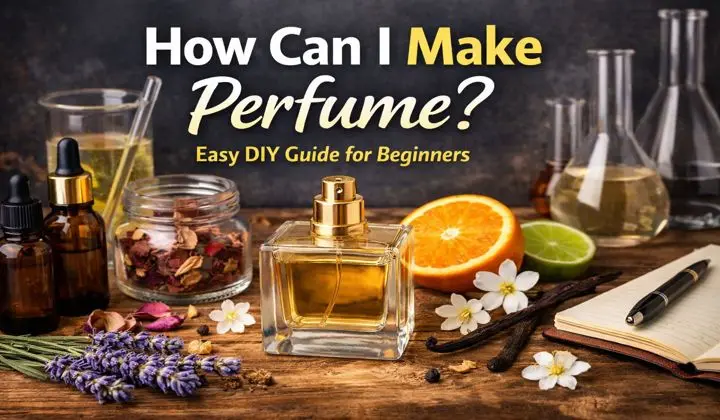
You can make perfume at home by mixing essential oils with alcohol and a small amount of water. First, choose your scent oils by selecting top, middle, and base notes. Then mix these oils in the right ratio, add alcohol, and let the mixture sit for a few days or weeks so the scent can develop. After that, add a little distilled water and your perfume is ready to use.
This is the simplest and most common way beginners create their own perfume at home.
Perfume is part of everyday life. People use it to smell fresh, feel confident, and express their personality. But most people only buy perfume from shops and never think about making their own.
The truth is, making perfume is not difficult.
You don’t need to be an expert. You don’t need expensive tools. You don’t need a lab. You can create your own perfume at home using simple ingredients and easy steps.
In this guide, you will learn everything step by step:
- What perfume is and how it works
- What ingredients you need
- How to make perfume at home
- How to create your own scent
- How to make perfume last longer
What Is Perfume?
Perfume is a mixture of scented oils, alcohol, and sometimes water, although options like alcohol free perfume are also available. When you apply it on your skin, the alcohol slowly evaporates and releases the scent into the air.
Perfume is not just one smell. It is made in layers called notes. These notes create a full fragrance experience.
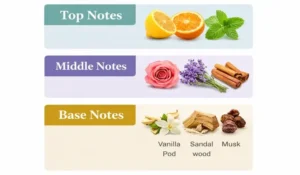
Understanding Perfume Notes
Top Notes
Top notes are the first smell you notice when you apply perfume. These are usually light and fresh scents. They disappear quickly, usually within a few minutes.
Examples of top notes:
- Lemon
- Orange
- Mint
- Bergamot
Middle Notes (Heart Notes)
Middle notes appear after the top notes fade. They are the main part of the perfume and last longer than top notes.
Examples of middle notes:
- Rose
- Lavender
- Jasmine
- Cinnamon
Base Notes
Base notes are the strongest and longest-lasting part of the perfume. They stay on your skin for hours.
Examples of base notes:
- Sandalwood
- Vanilla
- Musk
- Patchouli
Why Make Your Own Perfume?
There are many benefits of making your own perfume.
Save Money
Perfumes from brands can be very expensive. When you make your own perfume, you spend much less money and still get a good fragrance.
Create a Unique Scent
You can create a perfume that no one else has. This makes your scent special and personal.
Use Natural Ingredients
You can avoid harmful chemicals and use natural oils instead. This is better for your skin.
Fun and Creative Activity
Making perfume is fun. You can try different combinations and create something new every time.
What You Need to Make Perfume at Home
Before you start, you need some basic ingredients and tools.
Essential Oils
Essential oils are the main part of perfume. They give off the fragrance.
You can choose from:
- Citrus oils (lemon, orange)
- Floral oils (rose, lavender)
- Woody oils (sandalwood, cedarwood)
- Spicy oils (clove, cinnamon)
Alcohol
Alcohol helps spread the scent and makes it last longer.
Best options:
- Perfumer’s alcohol
- High-proof vodka
Distilled Water
This is used to dilute the perfume and balance the mixture.
Carrier Oils (Optional)
If you don’t want alcohol, you can use carrier oils like:
- Jojoba oil
- Almond oil
Tools
You will also need:
- Glass bottle (preferably dark)
- Dropper or pipette
- Funnel
- Notebook to record your formula
How Can I Make Perfume? Step-by-Step Guide
Now let’s go through the full process.
Step 1: Choose Your Fragrance Notes
Pick three types of oils:
- One top note
- One middle note
- One base note
Example:
- Lemon (top)
- Lavender (middle)
- Sandalwood (base)
Step 2: Mix Essential Oils
Use this simple ratio:
- 20% base notes
- 50% middle notes
- 30% top notes
Start with about 10–20 drops total.
Step 3: Add Alcohol
Now add alcohol to your mixture.
Standard formula:
- 20% essential oils
- 70% alcohol
- 10% water
This formula is commonly used for perfume.
Step 4: Let It Age
Close the bottle and store it in a cool, dark place.
Wait at least:
- 48 hours (minimum)
- 2–4 weeks (best result)
This step allows the scent to blend properly.
Step 5: Add Water
After aging, add distilled water and shake gently.
Step 6: Filter (Optional)
If your perfume looks cloudy, filter it using a coffee filter.
Step 7: Your Perfume Is Ready
Now your perfume is ready to use.
Easy Perfume Recipes for Beginners
Here are some simple combinations you can try.
Fresh Citrus Perfume
- Lemon
- Orange
- Mint
This gives a fresh and clean smell.
Floral Perfume
- Rose
- Lavender
- Jasmine
This gives a soft and sweet fragrance.
Warm Woody Perfume
- Sandalwood
- Vanilla
- Patchouli
This gives a deep and rich scent.
Alcohol vs Oil Perfume
Alcohol-Based Perfume
- Strong smell
- Easy to spray
- Spreads quickly
Oil-Based Perfume
- Soft and gentle scent
- Lasts longer on skin
- Better for sensitive skin
How Can I Make Perfume Last Longer?
This is one of the most common questions.
Use Strong Base Notes
Base notes like sandalwood and vanilla last longer and help the scent stay on your skin.
Apply on Pulse Points
Apply perfume on warm areas like wrists, neck, and behind ears. These areas help spread the scent better.
Moisturize Your Skin
Dry skin does not hold fragrance well. Use lotion before applying perfume.
Store Perfume Properly
Keep your perfume away from heat and sunlight. Store it in a cool, dark place.
Common Mistakes Beginners Make
Using Too Many Oils
Mixing too many oils can ruin the scent. Keep it simple.
Not Waiting Enough Time
Perfume needs time to develop. If you use it too early, it may not smell good.
Wrong Ratios
Balance is important. Always follow correct ratios.
Not Testing
Always test small amounts before making a big batch.
Advanced Tips to Improve Your Perfume
Learn Your Oils
Smell each oil separately to understand it better.
Start Small
Make small batches first and improve slowly.
Keep Records
Write down your formulas so you can recreate your perfume.
Create a Theme
Think about what you want your perfume to feel like (fresh, warm, romantic).
Benefits of Homemade Perfume
- Cheaper than store perfumes
- Fully customizable
- Natural ingredients
- Fun and creative
How Long Does Homemade Perfume Last?
Homemade perfume can last:
- 4–8 hours on skin
- 6–12 months in a bottle
Store it properly to increase its life.
FAQs
How can I make perfume at home easily?
You can make perfume at home by mixing essential oils with alcohol and water. First, choose your oils based on top, middle, and base notes, then mix them in the right ratio. After that, add alcohol and let the mixture sit for a few days so the scent can develop properly before using it.
Can I make perfume without alcohol?
Yes, you can make perfume without alcohol by using carrier oils like jojoba oil or almond oil. In this method, essential oils are mixed directly with the carrier oil, which makes the perfume softer and more gentle on the skin.
What is the best oil for perfume making?
Some of the best oils for perfume making include lavender, rose, sandalwood, and vanilla. These oils are popular because they smell good, blend easily, and create a balanced fragrance.
Why does my perfume not last long?
If your perfume does not last long, it may be because it does not have strong base notes or the oil concentration is too low. Adding deeper scents like sandalwood or increasing the oil ratio can help improve longevity.
How many ingredients should I use in perfume?
As a beginner, it is best to start with 2 to 3 oils. Using too many ingredients can make the scent confusing and unpleasant. Simple blends are easier to control and usually smell better.
Final Thoughts
Making perfume at home is simple and enjoyable. You don’t need to be an expert. You just need to start with basic ingredients and follow the steps carefully.
Over time, you will learn more about scents and create better perfumes. The best part is that you can create something unique that matches your personality.
If you love perfumes and want more inspiration, you can explore different fragrance styles from De Perfume Shop.