

Blog
How Perfume Is Made: Step-by-Step Fragrance Creation Explained

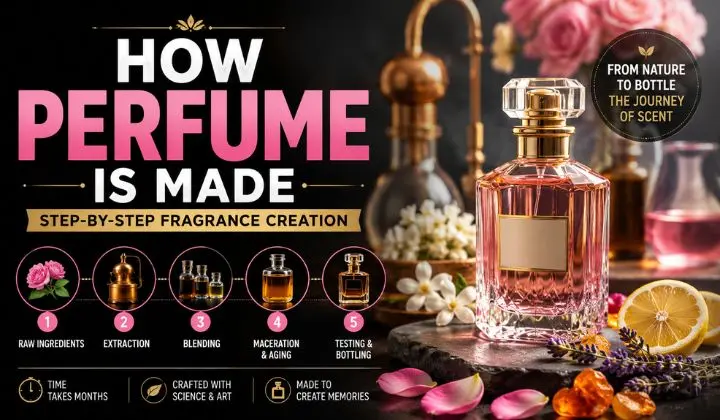
Perfume is one of the most interesting products in the world because it connects science, nature, and human emotion in a single bottle. Every fragrance you spray has gone through a long journey called the perfume manufacturing process. It is not just mixing pleasant smells. It is a structured system where experts design a scent, test it, refine it, age it, and turn it into a finished product.
In this guide, you will clearly understand how perfume is made step by step using simple English. The goal is to help you learn real industry knowledge in an easy way so you can understand what makes a perfume strong, long-lasting, or expensive.
What Perfume Really Is and How It Works
Perfume is a mixture of aromatic substances that create a pleasant smell when applied to skin or clothes. These materials come from nature or are created in laboratories.
The way perfume behaves is not the same for everyone. This is due to skin chemistry, temperature, and natural oils. This reaction is part of olfactory memory, which is why a smell can instantly bring back memories or emotions.
Perfume is also a part of modern lifestyle, branding, and personal identity. People use it to express mood, confidence, and personality.
Perfume Ingredients: What Goes Inside a Bottle
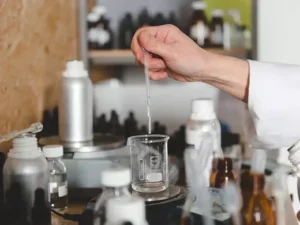
Every perfume is built using carefully selected raw materials. These ingredients define the final smell, strength, and style of the fragrance.
Natural materials include rose oil, jasmine extract, sandalwood, citrus oils, vanilla, patchouli, and resins. These are known as natural fragrance ingredients and they give depth and richness.
Modern perfumes also use laboratory-made materials called synthetic fragrance compounds. These include musk molecules, amber notes, aldehydes, and Iso E Super. They help improve stability and create unique scents that do not exist in nature.
The combination of both natural and synthetic materials is known as natural vs synthetic perfume composition, and it is the foundation of modern perfumery.
The Fragrance Pyramid: How Perfume Is Structured
Every perfume is built in layers called the fragrance pyramid. This structure is essential in understanding perfume notes explained.
The top notes are the first impression. They are fresh and light, such as lemon, bergamot, and orange. They fade quickly but create the opening impact.
The heart notes are the main body of the fragrance. These define its character and identity. Common examples include rose, jasmine, lavender, and spices.
The base notes are the longest lasting part of perfume. These include musk, amber, vanilla, oud, and woody notes. They stay on skin for hours and create depth. This layered structure is the core of every modern perfume design system.
-
Step 1: Perfume Brief and Idea Creation
Every perfume begins with a concept called a perfume brief. This is the creative foundation of the fragrance.
It defines the mood, target audience, season, and emotional direction of the scent. For example, best male summer perfumes, best summer fragrances for women may focus on freshness, while a luxury perfume may focus on depth and richness.
This stage is known as the fragrance design process, where creativity meets marketing strategy. Even luxury houses like Chanel begin their perfumes with storytelling before selecting ingredients.
-
Step 2: Selecting Perfume Ingredients
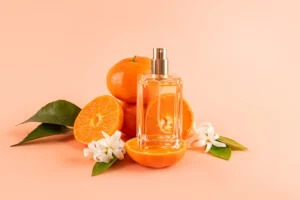
Once the idea is clear, perfumers begin selecting ingredients. This stage is called the perfume ingredients selection process.
Experts choose materials based on smell quality, performance on skin, stability, and cost. Some natural materials are expensive or unstable, so synthetic alternatives are used for consistency. Even a small change in ingredients can completely change the final scent profile, so this step requires deep expertise.
-
Step 3: Essential Oil Extraction Methods
Before blending begins, raw materials must be turned into usable oils. This is done through essential oil extraction methods.
Steam distillation is the most common method. Steam passes through plants and extracts aromatic oils. It is widely used for flowers and leaves.
Cold pressing is used for citrus fruits like oranges and lemons. It preserves the fresh and natural top notes.
Solvent extraction is used for delicate flowers such as jasmine and tuberose. It produces highly concentrated fragrance materials.
CO2 extraction is a modern eco-friendly method that produces pure aroma molecules without chemical residue.
Enfleurage is a traditional method used in French perfumery history, where flowers are placed in fat to absorb fragrance. It is rarely used today but remains important historically.
Each method affects the final smell quality and intensity.
-
Step 4: Perfume Blending Process
After extraction, perfumers start the blending stage. This is known as the perfume blending process.
They combine essential oils, alcohol, water, fixatives, and aroma molecules to create a balanced formula. Fixatives like musk and vanilla help the scent last longer on skin.
This stage is extremely complex because perfumers may test hundreds of variations before final approval. It is part of the fragrance formulation process and requires both creativity and technical knowledge.
-
Step 5: Maceration and Aging Process
After blending, perfume is left to rest. This process is called maceration in perfumery.
During this time, ingredients slowly bond together. Harsh edges soften, and the scent becomes smoother and more stable.
This process can take weeks or even months depending on the formula. It is very important for improving scent longevity and performance.
-
Step 6: Quality Control and Testing
Experts check how the fragrance performs on skin, how long it lasts, and how it reacts in different weather conditions. Safety tests are also done to ensure the product is safe for use. This step guarantees consistency, safety, and performance.
-
Step 7: Alcohol Mixing and Perfume Strength Levels
Perfume strength depends on the concentration of fragrance oils mixed with alcohol. Parfum has the highest concentration and lasts the longest. EDP has moderate strength and is widely used. Eau de Toilette is lighter and suitable for daily wear. Eau de Cologne has the lowest concentration.
This system is called scentconcentration levels explained, and it helps users choose the right fragrance for their needs.
-
Step 8: Bottling and Packaging Design
Once testing is complete, perfume is bottled and packaged. This stage plays a huge role in marketing and branding.
This is part of luxury scents branding strategy, where design influences customer buying decisions.
Luxury brands like Dior use bottle design, color, and shape as part of emotional storytelling.
-
Step 9: Why Perfume Smells Different on Each Person
Perfume behaves differently on every individual because of scent evolution on skin.
Your skin type, body heat, and natural oils affect how the fragrance develops over time. This is why the same perfume smells different on different people.
This is a natural and important part of fragrance science.
-
Step 10: Modern Perfume Industry Trends
The perfume industry is evolving with new technologies and sustainability practices.
Modern trends include green chemistry in perfumery, AI fragrance design, upcycled ingredients, and eco-friendly extraction methods.
These innovations are shaping modern fragrance innovation trends and making perfume production more sustainable and efficient.
-
Step 11: Why Perfume Creates Strong Memories
Perfume is strongly connected to human memory and emotions. Smell directly activates the emotional part of the brain. This is why perfumes create instant memories and feelings.
This is called olfactory memory connection. A single scent can remind you of childhood, a loved one, or a special moment from the past.
Final Thoughts
Now that you understand how perfume is made, it becomes easier to appreciate the amount of work, creativity, and expertise behind every bottle. From selecting natural fragrance ingredients and using advanced essential oil extraction methods to the fragrance blending process, maceration in perfumery, and final quality testing, each step plays an important role in creating a fragrance that smells beautiful and performs well.
Whether perfumers use rare natural materials, innovative synthetic molecules, or a combination of both, they always aim to create a scent that connects with people on an emotional level. This is why scent is much more than a beauty product. It can reflect personality, boost confidence, create lasting memories, and become part of someone’s identity.
At De Perfume Shop, we believe that understanding the story behind a fragrance helps you make better choices when buying perfumes. When you understand how perfumers create a fragrance, you can better appreciate the craftsmanship, carefully selected ingredients, and artistic skill that turn simple raw materials into a memorable scent experience.
The next time you spray your favorite fragrance, remember that it has traveled through a fascinating journey of science, nature, innovation, and creativity before reaching your collection. That journey is what makes perfume one of the most unique and personal products in the world.
Frequently Asked Questions
How is perfume made step by step?
Perfumers extract oils from natural or synthetic sources, blend them with alcohol and fixatives, age the mixture, and then test and bottle the finished fragrance. This fragrance manufacturing process takes months or even years because every stage must be carefully controlled to create a balanced fragrance.
Why does fragrance smell different on everyone
Fragrance reacts with skin chemistry, body temperature, and natural oils. This is known as scent evolution on skin, which causes the fragrance to develop differently on each person.
How long does perfume take to make
Perfume creation can take several months to years depending on complexity. It includes ingredient selection, blending, maceration, testing, and final approval before launch.
What makes perfume long lasting
Perfumes last longer when they contain strong base notes like musk, amber, and vanilla. Higher fragrance oil concentration and fixatives also improve longevity.