

Blog
Perfume Ingredients: Complete Fragrance Guide

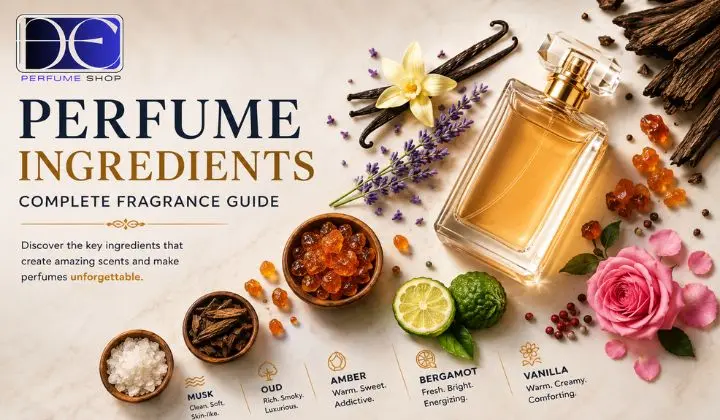
Most people think perfume is just “good smell in a bottle.” But when you start using fragrances regularly, you notice something interesting. Some perfumes disappear after one hour. Some feel sharp and synthetic. Others smell smooth, rich, and addictive for the entire day.
The difference usually comes from the Perfume Ingredients inside the fragrance.
A perfume is built like a recipe. Every ingredient changes how the fragrance smells, performs, and feels on skin. Some ingredients create freshness. Some create sweetness. Others add smoke, warmth, depth, creaminess, or even a clean skin-like feeling.
This is why two perfumes can both contain vanilla but smell completely different. One may smell luxurious and soft, while another smells cheap and overly sweet. The quality, balance, and type of ingredients change everything.
Many people buy perfumes based only on hype, influencer reviews, or bottle design. But once you understand the real Ingredients in perfume, choosing fragrances becomes much easier. You stop blind buying and start understanding why you like certain scents naturally.
If you love fragrances or want to build a better perfume collection, understanding ingredients is one of the smartest things you can learn.
What Are Perfume Ingredients and Why Do They Matter?
Every perfume contains different materials blended together carefully. These materials are called Perfume Ingredients. Some ingredients come from nature:
- flowers
- woods
- spices
- herbs
- fruits
- resins
Others are created inside laboratories using aroma chemistry. Together, these ingredients create the final fragrance profile. But ingredients do much more than create smell.
They also control:
- longevity
- projection
- smoothness
- freshness
- sweetness
- strength
- dryness
- creaminess
- smokiness
This is why a perfume with strong woody ingredients feels deeper and lasts longer than a light citrus fragrance. Good perfumers do not simply mix random oils together. They build structure carefully. A fragrance must open well, develop smoothly, and dry down beautifully on skin. When the ingredients are balanced correctly, the perfume feels natural instead of harsh.
The Main Ingredients Found in Almost Every Perfume
Most modern fragrances contain four main components.
-
Fragrance Oils
Fragrance oils create the actual scent. These oils may come from:
- flowers
- woods
- fruits
- spices
- synthetic aroma molecules
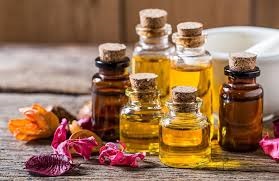
Without fragrance oils, perfume would only smell like alcohol. The oil blend decides whether the fragrance smells:
- sweet
- fresh
- dark
- spicy
- woody
- creamy
- smoky
The oil concentration also affects performance. Higher oil concentration usually means:
- better longevity
- stronger scent
- smoother dry down
This is why parfum often lasts longer than eau de toilette.
-
Alcohol
Alcohol helps spread the fragrance into the air. When you spray perfume, alcohol evaporates quickly. This releases the fragrance molecules around you. Good alcohol feels clean and smooth. Cheap alcohol can smell harsh during the opening. Some people think alcohol is “bad,” but most modern perfumes need it to project properly. However, alcohol free perfume options are also available for people with sensitive skin or those who prefer softer and oil-based fragrances.
-
Water
Water helps dilute the formula slightly. It balances the fragrance and prevents it from feeling too heavy. Different perfume concentrations use different amounts of water and fragrance oil.
-
Fixatives
Fixatives help fragrances last longer. Without fixatives, many perfumes would disappear quickly after spraying. Common fixatives include:
- musk
- amber
- resins
- balsams
- woods
These ingredients slow evaporation and improve dry down quality.
The Ingredients That Make Perfumes Smell Attractive
Not every ingredient creates the same emotional reaction. Some materials naturally smell more comforting, luxurious, or addictive. These are the ingredients people often remember most.
-
Vanilla – The Most Addictive Sweet Note
Very few perfume ingredients are as universally loved as vanilla. Vanilla smells:
- warm
- creamy
- comforting
- soft
- slightly sweet
But good vanilla perfumes do not smell like cake. In luxury perfumery, vanilla often feels elegant, smooth, and mature. Vanilla blends beautifully with:
- amber
- woods
- tobacco
- spices
- coffee notes
This is why so many winter fragrances use vanilla heavily. It creates warmth without feeling too sharp. For example, Tom Ford Lost Cherry uses vanilla to create a smooth, warm, and slightly sweet fragrance experience.
-
Musk – The Clean Skin Smell People Love
Modern musk smells soft, clean, smooth, and skin-like. It is one of the most important base materials in perfumery. Many people cannot identify musk directly, but they notice the effect immediately. Musk makes perfumes feel:
- softer
- cleaner
- warmer
- more addictive
Some fragrances smell amazing simply because the musk blend is done properly. Clean white musk is especially popular in:
- office fragrances
- skin scents
- fresh perfumes
- laundry-style scents
For example, YSL Y le uses musk to create a clean, smooth, and long-lasting scent that feels fresh and modern on the skin.
-
Oud – The Luxury Ingredient That Feels Rich
Oud is one of the most famous luxury fragrance materials in the world. Real oud comes from infected agarwood trees. Because it is rare and expensive, high-quality oud fragrances often cost much more. Oud can smell:
- smoky
- woody
- dark
- leathery
- slightly sweet
Middle Eastern perfumery made oud globally popular. Today, many designer brands also use modern oud-inspired accords. Good oud fragrances feel deep and elegant instead of dirty or overpowering. Black Afgano uses oud to create a deep, smoky, and luxurious fragrance that feels bold and mysterious.
-
Amber – The Ingredient That Adds Warmth
Amber is not one single material. It is usually an accord created using several ingredients together. Amber creates:
- warmth
- sweetness
- richness
- depth
It makes fragrances feel cozy and smooth. Amber works especially well in:
- winter fragrances
- evening perfumes
- oriental scents
Many long-lasting perfumes rely heavily on amber accords. Stronger With You uses amber to create a warm, sweet, and comforting fragrance that feels smooth and inviting.
-
Bergamot – The Fresh Opening You Smell First
If a fragrance smells fresh and sparkling at the beginning, there is a good chance it contains bergamot. Bergamot is a citrus ingredient with a slightly spicy freshness.
It is used heavily in:
- blue fragrances
- summer perfumes
- fresh masculine scents
- colognes
Bergamot creates energy during the opening of the fragrance. However, citrus ingredients usually fade faster than woody or resinous notes. Creed Aventus uses bergamot to create a fresh, bright, and energetic opening that feels clean and masculine.

Where to Buy Perfumes Based on These Ingredients
Finding the right fragrance becomes much easier once you understand which ingredients you enjoy most. Some people prefer warm vanilla scents, while others enjoy fresh bergamot fragrances or deep oud perfumes.
If you enjoy sweet and comforting fragrances, perfumes like Tobacco Vanille and Stronger With You are great choices because they use vanilla and amber to create a smooth and cozy scent profile.
People who prefer clean and fresh fragrances often enjoy bergamot and musk-based perfumes like Creed Aventus, YSL Y, and Dior Sauvage. These fragrances work especially well for office wear, summer weather, and daily use.
For lovers of rich and luxurious fragrances, oud-based perfumes like Black Afgano and Oud for Greatness create a darker, deeper, and more powerful scent experience.
You can explore these fragrances and similar scents at De Perfume Shop, where different perfume styles are available for people who enjoy fresh, sweet, woody, smoky, and long-lasting fragrances.
Natural vs Synthetic Ingredients: Which Is Better?
This debate exists everywhere in the fragrance world. Some people think natural ingredients are always superior. Others prefer modern synthetic perfumery. The truth is more balanced. Natural ingredients smell rich and realistic. But they can also:
- become expensive
- vary in quality
- disappear faster
- cause sustainability issues
Synthetic ingredients help:
- improve longevity
- create consistency
- lower costs
- protect rare natural materials
For example, modern synthetic musks replaced old animal musks ethically. Today, almost every successful fragrance uses both natural and synthetic materials together. Even niche luxury perfumes depend on aroma chemistry.
Top Notes, Heart Notes, and Base Notes Explained Simply
Many beginners get confused by fragrance notes. The idea is actually simple.
Top Notes
Top notes are the first smell you notice. These notes feel:
- fresh
- bright
- energetic
Common top note ingredients include:
- bergamot
- lemon
- grapefruit
- mint
These notes disappear fastest.
Heart Notes
Heart notes appear after the opening fades. This is the “main personality” of the fragrance. Heart notes often contain:
- florals
- spices
- green notes
- herbs
A perfume that smells romantic usually relies heavily on heart notes.
Base Notes
Base notes last the longest. These ingredients create depth and longevity. Popular base notes include:
- musk
- vanilla
- sandalwood
- amber
- patchouli
- oud
Base notes are the reason some perfumes still smell good many hours later. Understanding seasonal ingredients helps people build smarter fragrance collections. This approach helps you avoid blind buying mistakes.
How Weather Changes Perfume Ingredients
Weather affects perfume performance more than most people realize. Hot weather makes fragrances project more strongly. This is why heavy winter fragrances can feel overwhelming during summer. Fresh ingredients work better in heat:
- citrus
- aquatic notes
- mint
- neroli
Cold weather supports:
- vanilla
- amber
- tobacco
- woods
- spices
- oud
Why Expensive Perfumes Usually Smell Better
People often ask why luxury perfumes smell smoother than cheap body sprays. The answer is usually ingredient quality. Cheap fragrances often rely on:
- harsh alcohol
- overly synthetic sweetness
- weak base materials
- poor blending
Luxury fragrances normally use better raw materials and more balanced compositions. For example:
- higher quality vanilla smells creamy and warm
- cheaper vanilla can smell sugary and artificial
- real sandalwood smells soft and milky
- synthetic woody notes can smell sharp or dry
Even citrus ingredients feel different depending on quality. This does not mean every expensive perfume is automatically amazing. But high-quality ingredients usually create a smoother fragrance experience.
That “rich” feeling people notice in luxury perfumes often comes from ingredient balance more than just strength.
Final Thoughts
Understanding Perfume Ingredients changes the way you experience fragrances completely.
You stop judging perfumes only by branding or hype and start understanding why certain scents feel luxurious, addictive, fresh, or long lasting.
Some ingredients create comfort. Others create elegance, power, warmth, or freshness. Once you understand how these materials work together, choosing the right fragrance becomes much easier.
Whether you love clean musk fragrances, warm vanilla scents, or rich oud perfumes, learning about the real Ingredients in perfume helps you build a collection that actually matches your personality and lifestyle.
FAQs About Perfume Ingredients
What are the most important perfume ingredients?
Some of the most important Perfume Ingredients include musk, vanilla, amber, sandalwood, rose, jasmine, and oud. These materials are widely used because they create depth, longevity, and strong emotional appeal. Different ingredients are used depending on whether the fragrance is fresh, sweet, woody, or spicy.
Why do some perfumes smell expensive?
Expensive perfumes usually use better ingredient quality and smoother blending. The fragrance develops more naturally instead of smelling harsh or overly synthetic. Luxury perfumes also focus heavily on dry down quality and long-lasting base notes.
Are synthetic perfume ingredients bad?
Modern synthetic ingredients are not automatically bad. In fact, many are safer, more sustainable, and longer lasting than natural alternatives. Most successful perfumes today use both natural and synthetic materials together.
Which perfume ingredients last the longest?
Heavy ingredients usually last longer on skin. These include oud, amber, patchouli, sandalwood, resins, and musk. Fresh citrus ingredients normally fade much faster after spraying.
Why does the same perfume smell different on everyone?
Perfume reacts with skin chemistry, body temperature, and natural oils. This changes how the fragrance develops over time. That is why testing perfume on your own skin is always important before buying.